
Samsonite Luggage Set: Why It Costs Twice as Much
Date: Wednesday, July 1, 2026
A Samsonite luggage set costs 2-3x more than American Tourister — its own sibling brand. TravelFreak's 31-metric test explains the gap: 8.8/10 vs 6.6/10 on build quality. Here's what that means for you.
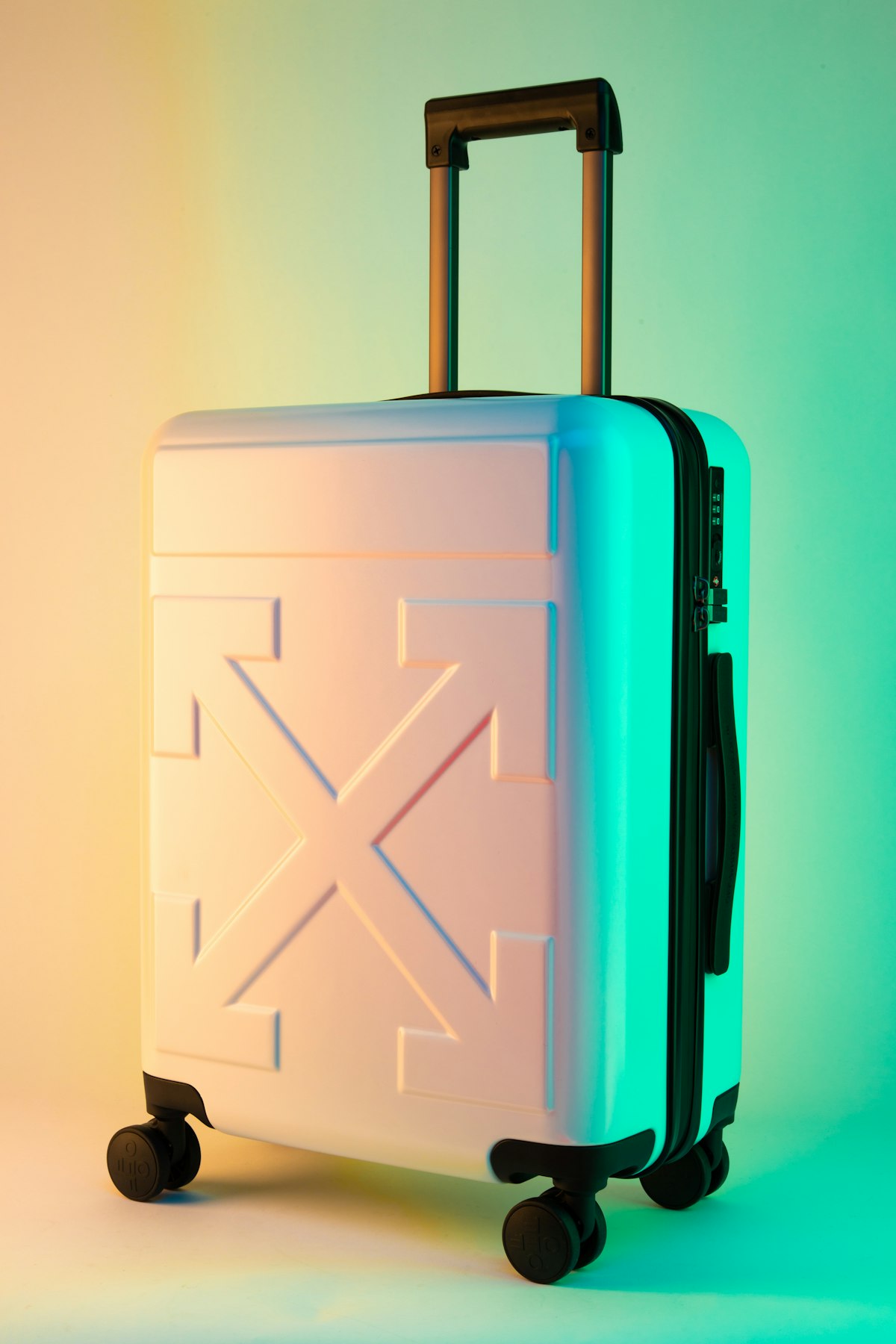
Why a Samsonite Luggage Set Costs Twice as Much as Its Own Sister Brand
Your last bag didn't make it two years. A wheel cracked on the baggage carousel, the zipper skipped at the worst moment, and you stood at arrivals holding a suitcase together by its handle. You swore you'd buy something that actually lasted this time.
Here's the thing nobody tells you upfront when you start shopping: Samsonite and American Tourister are owned by the same company. Samsonite International acquired American Tourister in 1993. Same parent, same R&D pipeline, two deliberate price tiers. So why would you spend twice as much on a Samsonite luggage set when you could buy an American Tourister for half the price from the same corporation?
The Material Answer
The shell material is the whole story. Most American Tourister hardside suitcases use ABS plastic, the same material in LEGOs and vacuum cleaner casings. It's light and genuinely decent for occasional travel. But it doesn't flex under concentrated impact. Drop an ABS bag onto a hard corner at the baggage carousel and it cracks.
Samsonite's mid-range and premium hardside luggage uses polycarbonate, which is a different category of material. Polycarbonate flexes before it cracks. That flex is the whole point. An airline handler tosses a Samsonite suitcase off a belt and the shell absorbs the impact by giving slightly, then snapping back. The same impact on an ABS shell transmits directly to the surface and eventually splits it.
TravelFreak ran independent tests across 31 metrics and 8 categories. American Tourister scored 6.6/10 for build quality. Samsonite scored 8.8. That gap is real, not marketing. It shows up in wheel bearings, zipper quality, handle reinforcement, and corner protection, not just the shell.
What a Samsonite Carry On Actually Gets You
A samsonite carry on in the Omni PC or C-Lite range runs $140 to $240 depending on the model. The weight on the C-Lite is genuinely impressive for polycarbonate, one of the lightest shells at that durability tier. The TSA lock integration is cleaner than most budget alternatives. The double spinner wheels roll smoother on rough airport floors than single wheels, which matters on a 45-minute sprint through a hub.
For frequent flyers who check bags regularly, the calculus shifts in Samsonite's favor over time. Independent comparisons estimate a samsonite suitcase lasts roughly twice as long as American Tourister under frequent-use conditions, around 7 to 10 years versus 3 to 5 years for heavy use. If you're buying a samsonite luggage set that travels monthly, the higher upfront cost spreads across years of use and often ends up cheaper per trip than replacing a budget bag every few years.
The samsonite backpack line follows the same principle. Better zippers, more internal structure, and organization built for people who actually travel with them rather than just commute. The Tectonic backpacks and the Classic Backpack range get consistent long-term reviews from business travelers who've owned the same bag for five or more years.
The Honest Caveat
Here's what Samsonite's warranty page doesn't lead with. The warranty covers manufacturing defects, meaning problems that were present when the bag left the factory. It does not cover airline damage, rough handling, cosmetic scuffs, wheel impacts from baggage carousels, or normal wear and tear. In September 2025, a travel community report documented Samsonite declining a warranty claim on a cracked shell, citing manufacturing-defect-only coverage despite the bag being within its warranty window.
This is standard across the luggage industry, not a Samsonite-specific failure, but it means the warranty is narrower than most buyers assume. If you're expecting the warranty to cover a cracked shell from rough airline handling, that's not what you're getting. What you're actually paying for is a shell that's less likely to crack in the first place, not one that gets replaced when it does.
When the Samsonite Sale Makes the Decision Easy
Samsonite runs meaningful samsonite sale pricing two to three times a year, usually around Memorial Day, Labor Day, and a pre-holiday window in November. These events can bring polycarbonate carry-ons and luggage sets down 30 to 40 percent, which is the window where the price-per-quality argument becomes straightforwardly compelling. Outside of those windows, checking the outlet section on shop.samsonite.com surfaces prior-season models at similar discounts without the sale timing pressure.
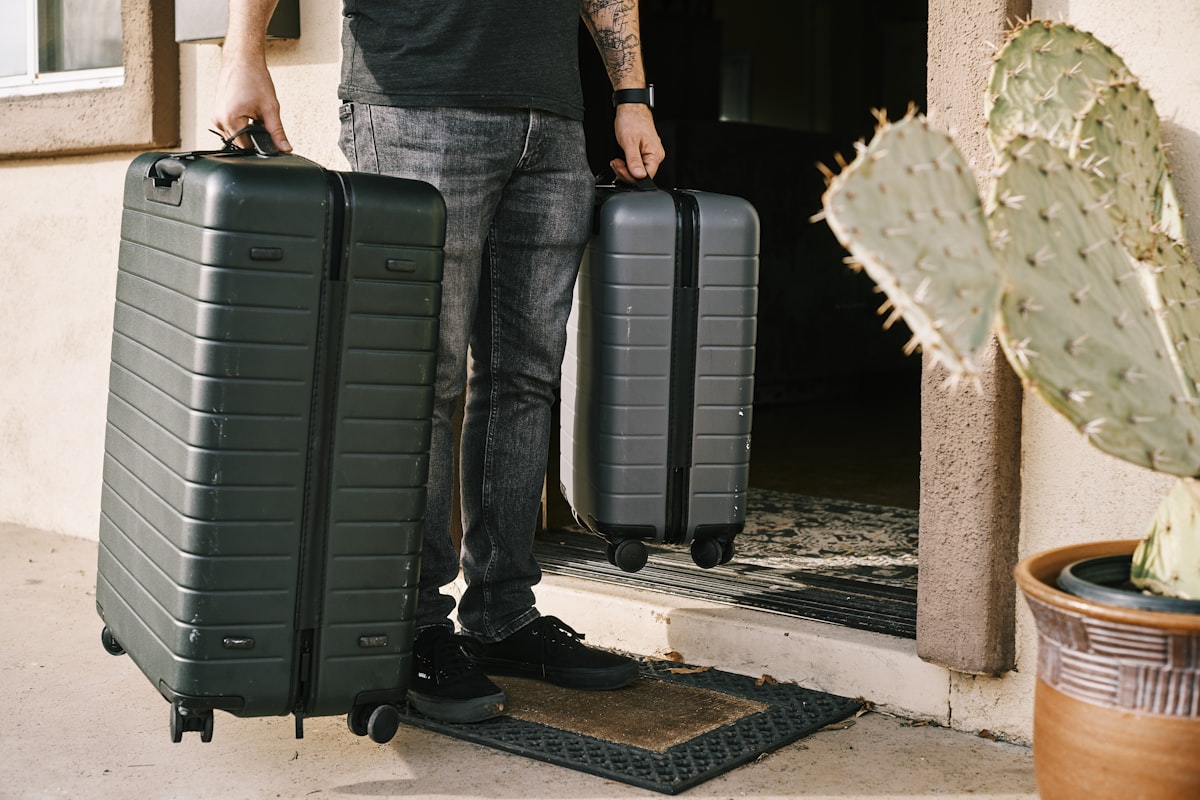
The Material Difference That Actually Matters at 30,000 Feet
If you fly a handful of times a year and mostly carry on, an American Tourister does the job at a fraction of the price. If you travel frequently, check bags regularly, or want one bag to follow you for the next decade without failing at a gate, the polycarbonate difference justifies the Samsonite premium. The sister-brand math works both ways, knowing they share an owner tells you the budget option is competent, not cheap, but it also tells you what you're giving up when you don't spend more.
“You're not paying for a name. You're paying for a shell that flexes instead of cracks. That distinction is exactly the gap between the bag you own now and the one you wish you'd bought last time.”
The Final Word
Concluding Thoughts
Browse current Samsonite carry-ons, luggage sets, and backpacks, and check whether a sale is active before you buy. The outlet section typically has prior-season polycarbonate models at real discounts, which is the best entry point if you want the material quality without paying full retail price.